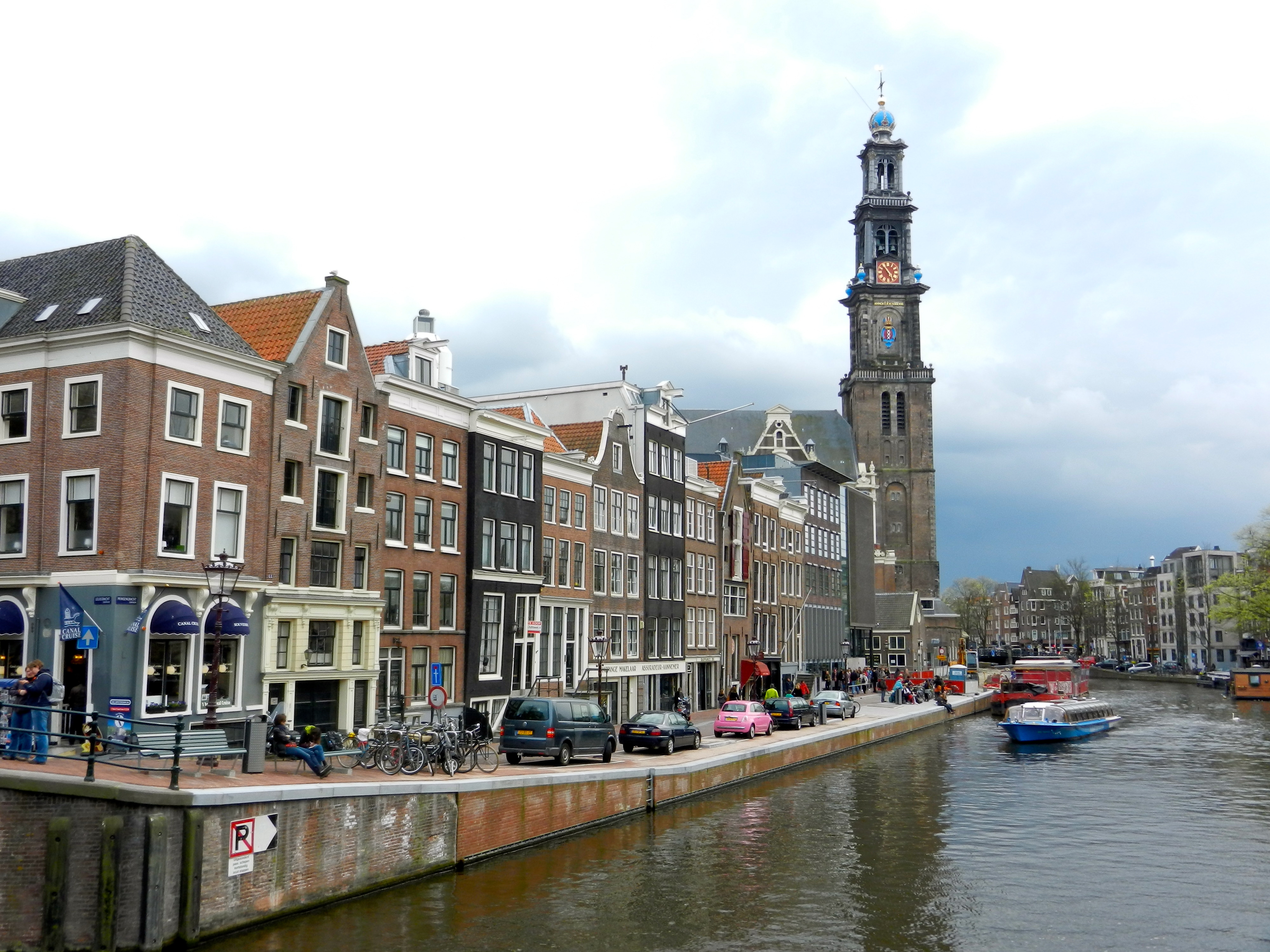
I AMsterDAM

Amsterdam canal

Amsterdam canal

After a restful sleep, we rolled out of our farmhouse late in the morning destined for Amsterdam.  Saskia recommended we park at the ArenA, a large parking/shopping area outside of the city with easy access to public transport. For 8euro, we were able to park all day and get a metro pass for all of us into the city.

We spilled out of Amsterdam Central Station near 11am with thousands of other tourists and made our way down to the canals for a boat cruise of the city. The sun was shining bright through big fluffy clouds and the 1 hour tour gave us a good overview of the city’s development and major architectural highlights.  I enjoyed looking at the different gables on top of the tall narrow homes that line the canals.

Our next stop for the day was the Dutch Resistance Museum (located near the zoo).  The focus of the museum is the efforts of the Dutch to combat the Nazi party during WWII.  Tim pointed out a special display devoted to Abraham Kuyper which included his copy of the Heidelberg Catechism and his personal Bible.  There were also quotes about the Christian Reformed Church in Holland (both positive and negative views) and its efforts to help the Jews.

The museum visit was a good preview before our visit to the Anne Frank house.  Will finished reading the book hours before our showtime (we bought tickets on line indicating a time slot to see the home) and he was an excellent guide for the rest of us who have a somewhat faded memory of the diary’s highlights.  In the book, Anne talks about how much she disliked the bells that rang from the church nearby and it was surprising to hear those same bells ringing at the 1/4 past the hour during our tour.   We were able to walk through the secret passageway that the famous bookcase hid (bookcase is still there and propped open) and we got to climb the steep stairs leading to the top floor rooms and appreciate how tiring it would be for your legs to make that climb day in-day out for 2 years. Otto Frank determined that the house should have no furniture in it when it was opened as a museum but in 2009 the historical society placed furniture in it and photographed the rooms so visitors could imagine what it would have looked like when the family was in hiding.

We finished our full day of touring with a Rick Steves Jordaan canal walk and a satisfying meal at the Pancake Bakery, an excellent restaurant featuring that Dutch treat: the monstrous pancake.  Will had a bacon pancake which came with thick slices of bacon baked in (we were expecting bacon bits) while Tim and Lauren ordered a traditional nutella pancake.  I was happy with my lemon and sugar concoction and Lilly was the big winner with the “animal pancake” which came with a brand new stuffed animal Tiger to take home and love.

Like Disneyland (without the rides)

The Dutch and their spectacular flowers

The Dutch and their spectacular flowers

Once every 10 years, Holland plays host to a horticultural extravaganza.  With the participation of numerous countries around the world, the little town of Venlo features Floriade, a huge exposition featuring enough flowers and scents to attract the most finicky of patrons.  We heard about this event from John Postma, my uncle who had visited it once before and he, along with CNN, declared it a “Must See in 2012!”

We arrived around 11am and zipped past what seemed to be a hundred tour buses dropping off their guests at the front gates; we remarked that there were relatively few children attending the event and of the adults, the majority were white-haired and walking very slowly.   Once we boarded our parking shuttle from the lot to the front gates we bought our entrance tickets and started exploring the grounds.

The first thing that hits you is the luscious smell…hyacinths are blooming right now and their purple and white blooms mix nicely with the vibrant colors of the tulips and give off an intoxicating scent as you walk the main promenade. The guides distributed handy park maps but we let the kids determine which direction to go and there was no problem finding pavilions to delight us. One of our favorites was the Green House which featured tropical plants including thousands of orchids and a 3D movie which presented the devastating power of floods.  (in 1953 Holland suffered a severe flood due to a failed dike)  Another great treat was “living like a bee” collecting pollen and nectar to make honey…the kids were given a digital clicker that collected points for finding the right clues (Lilly was our winner).

The park grounds are huge and there is a gondola available to whisk you from one end of the park to the other.  Of course, we hopped on and could see all the places we hadn’t hit yet on our visit.  We walked through buildings created by visiting countries that showed typical design styles as well as plants and vegetables native to those lands.  One of the best was the Chinese garden complete with meditating garden and paper screens dividing the rooms.

We concluded our visit with a walk through the flower showroom featuring arrangements of the most spectacular spring blooms. Chandeliers hung above our heads as we slowly walked the cobblestone paths laid in the middle of a fern grotto.  When we returned to our car, we were surprised to discover that 6 hours had slipped by.  Lilly boldly declared, “I love this place. It’s like Disneyland without the rides!”  The kids all agree we should make plans to return in another 10 years.

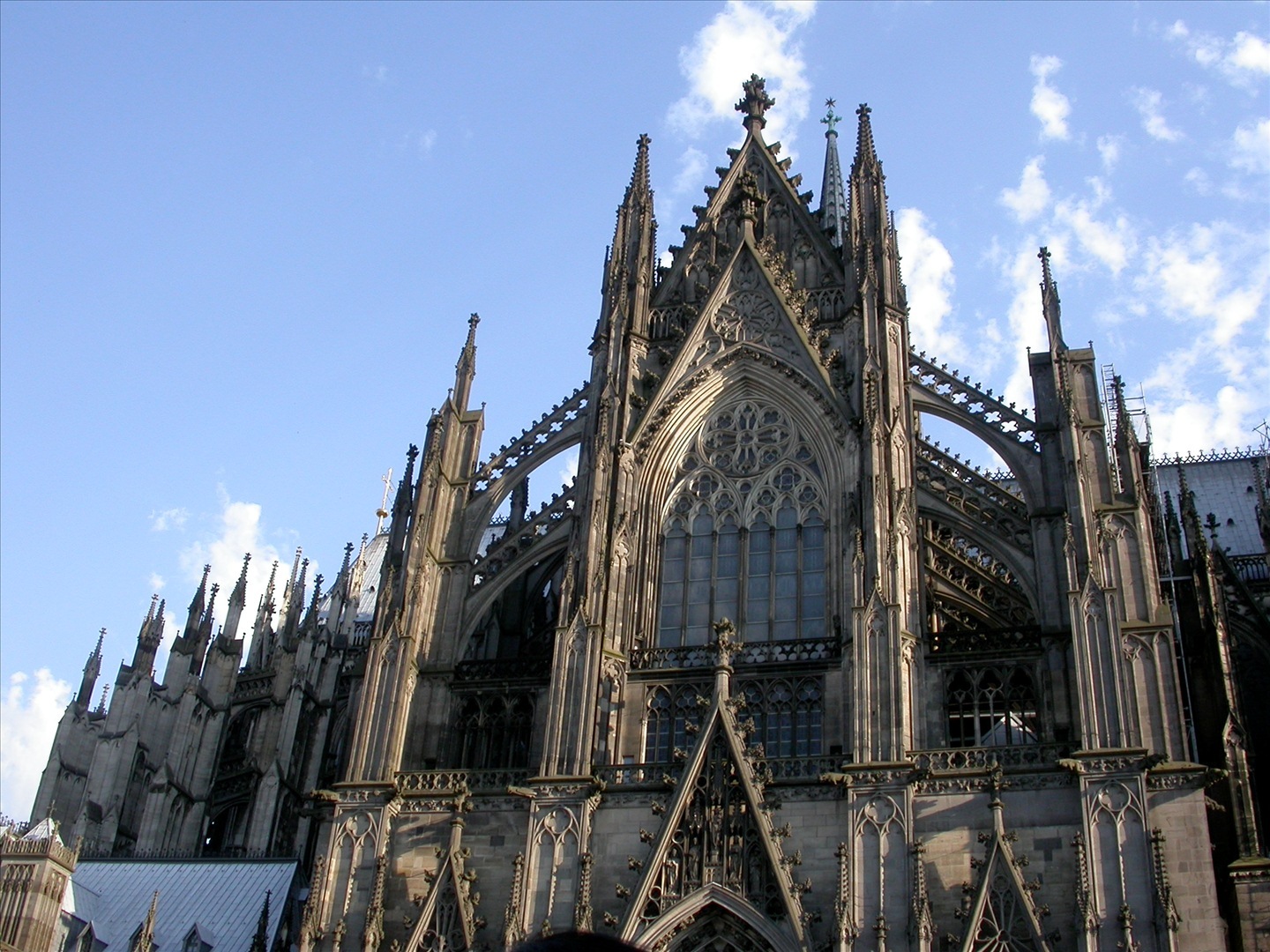
Cologne Cathedral

Cologne-Cathedral

What to do with a week off of school and work? Time to take a trip.  Many of our friends opted for warmer locales…Portugal and Italy; but we decided it was time to go north to see the tulips of Holland. Along the way, we planned a stop in Cologne, Germany, home to the 3rd largest cathedral in the world (after Seville, Spain and Madrid, Italy).  The Dom was completed in the mid 19th Century after a 350 year pause in construction. Seemed the Germans in the area suffered from a little recession brought about by the discovery of America and new trade routes which ditched the Rhine in favor of the wide open seas.  The foundation stone was laid in 1280 on the site of the first church in Cologne which wasn’t impressive enough for the Church at large.  The gothic architecture, featuring dark stone, gargoyles and flying buttresses, is due to the Prussians’ misguided idea that Germans invented the unique style (they did not–the French did) and money poured freely into the coffers to offer up a uniquely “German cultural landmark” to unify the new German state in the 19th Century.

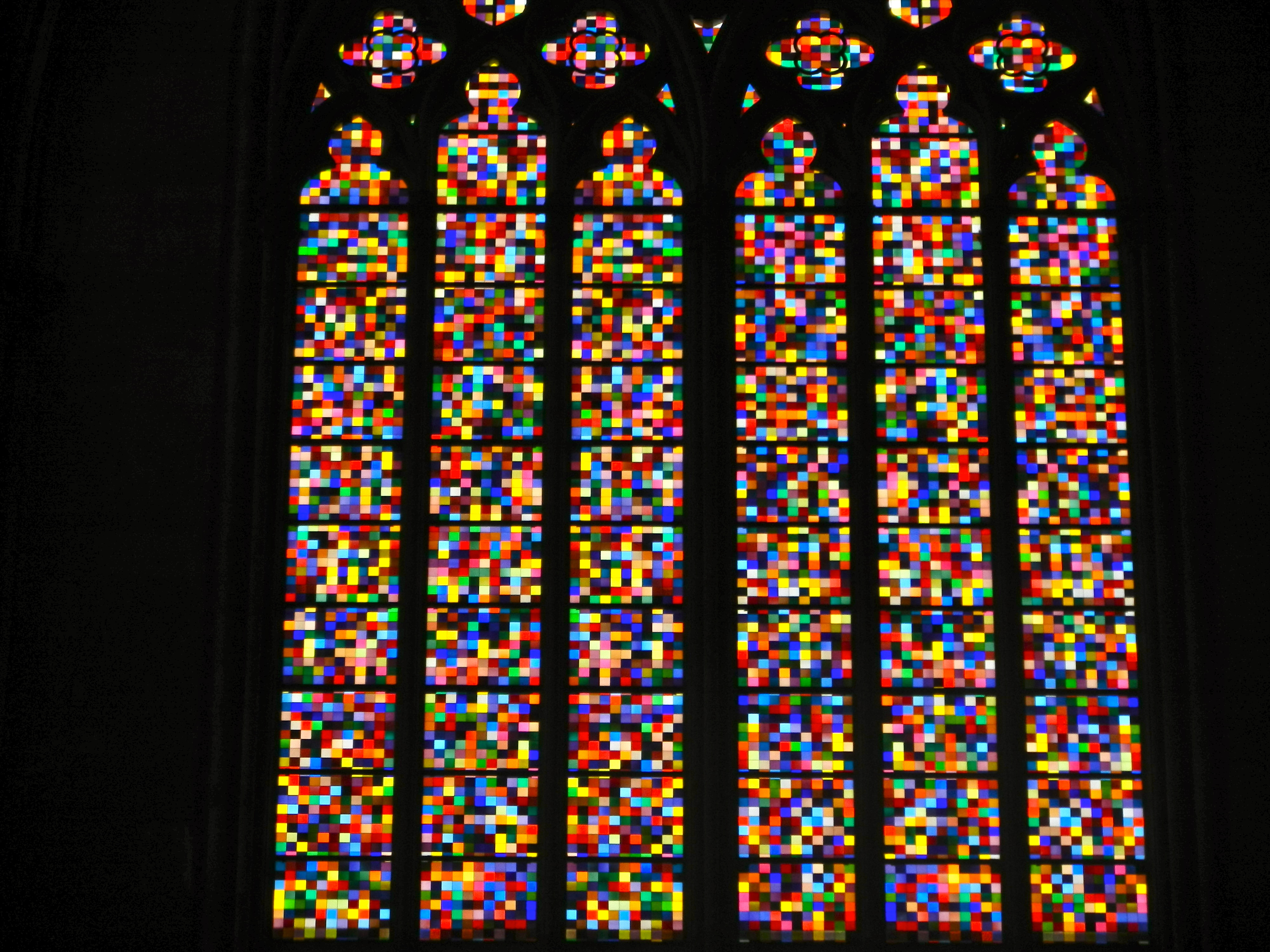
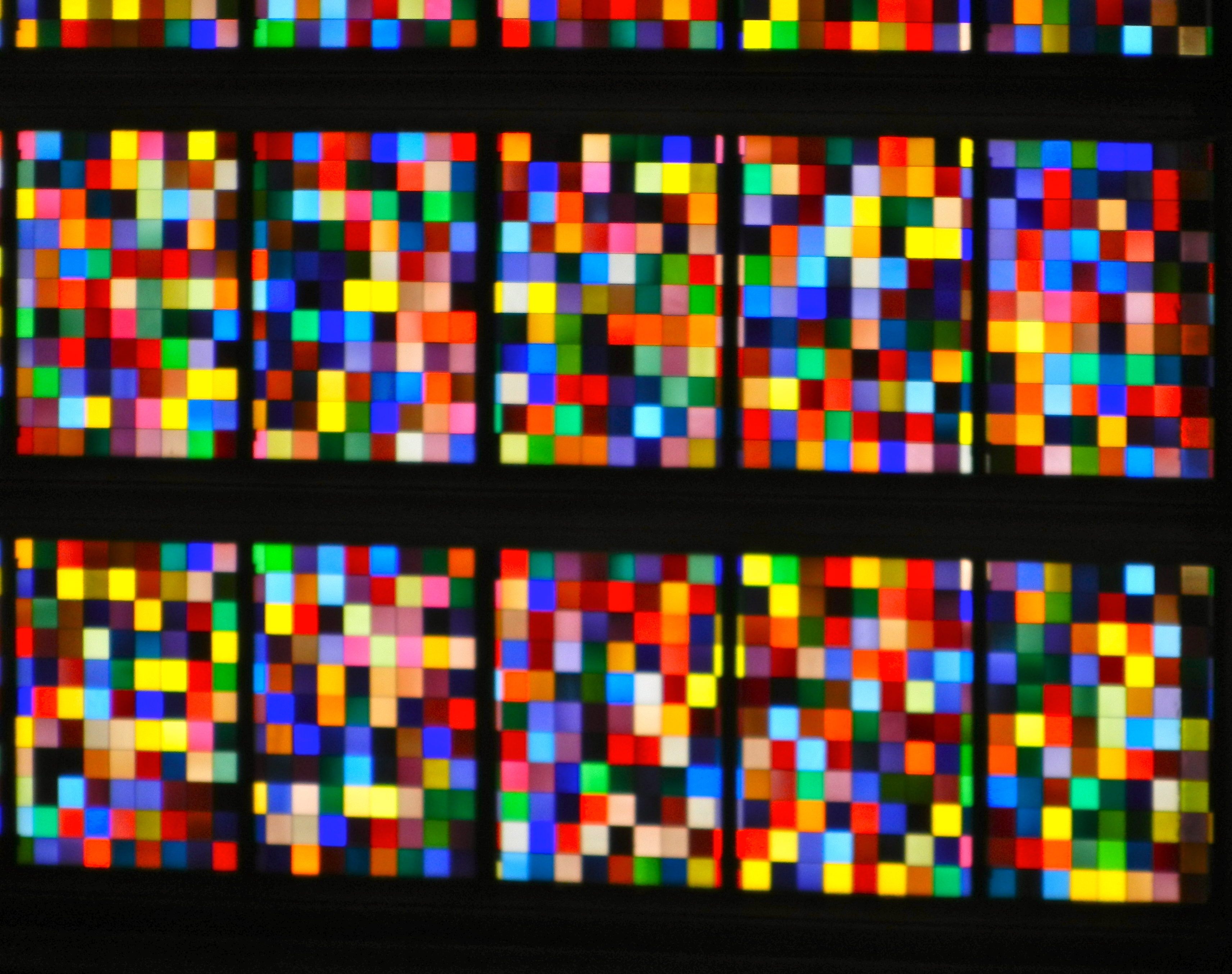
DSCN4550Lauren and Kristen took a tour of the cathedral while Tim entertained the un-interested (Will and Lilly) with a trip to Dunkin Donuts.  In the tour, we learned about the patron saints of the church: The Three Holy Kings, AKA the three wise men who visited Baby Jesus. In a golden, jewel-encrusted box on the altar lays the remains of the kings.  DNA testing on the bones and the clothing has proved that they are indeed from the 1st C…whether they are the wise men, we’ll never know for sure.  We also enjoyed learning about the stained glass in the cathedral which was relatively unharmed during WWII (only the north tower suffered bomb damage)  All windows were removed and stored for the duration of the war. The most recent window, installed in 2007, features thousands of technicolor squares with no discernible pattern…it is a fabulous addition to the cathedral.

DSCN4548

technicolor squares make a fabulously modern stained glass window

Ravenna–city of mosaics

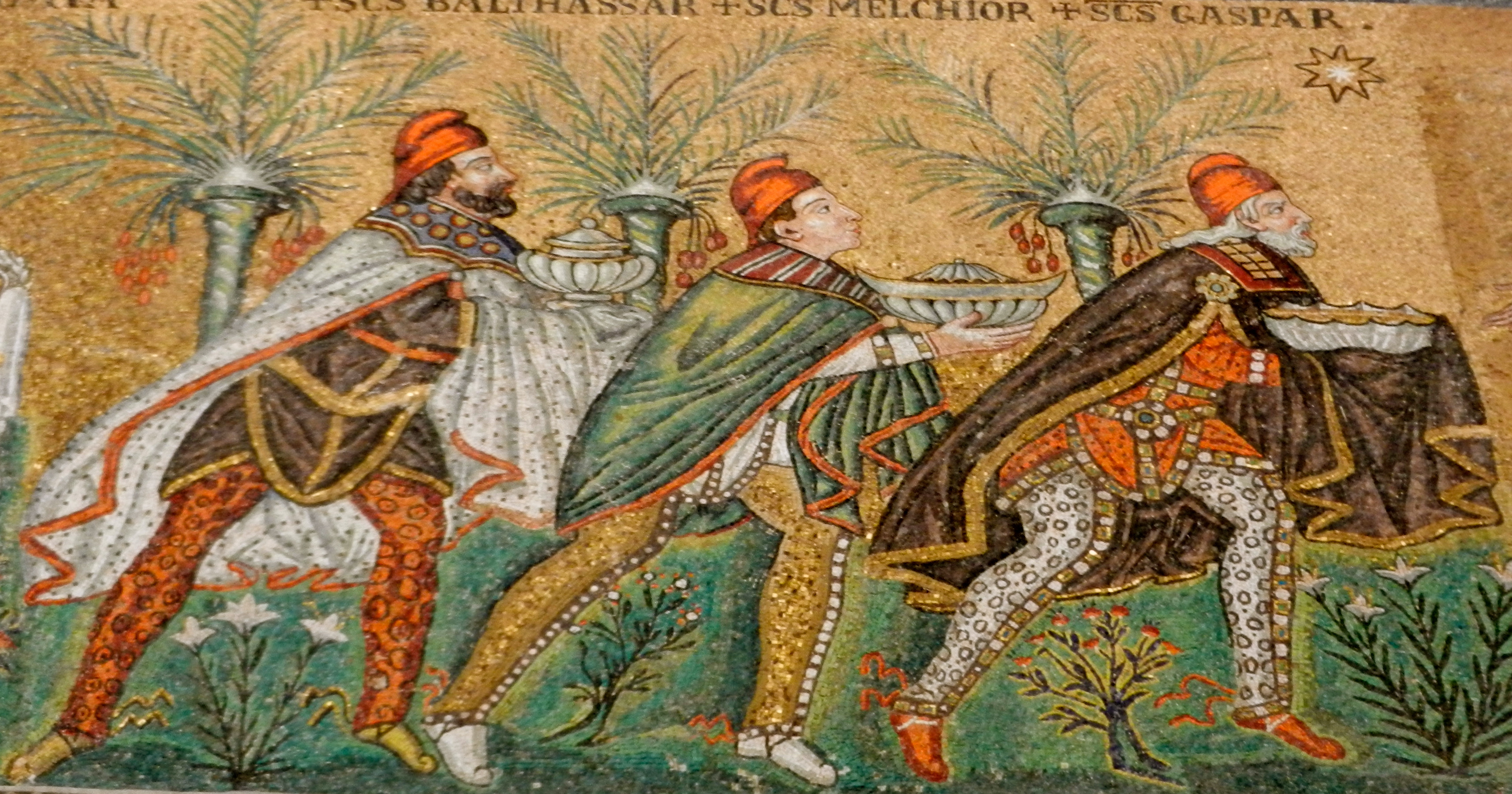
Wise Men mosaic, Ravenna Italy

Wise Men mosaic, Ravenna Italy

When we visited Italy in 2010 I had wanted to visit Ravenna, a short drive south of Venice on the Adriatic Sea. We ran out of time and since coming to Germany, I’ve wanted to see what I missed 2 years ago. On Sunday, we drove south from Vicenza, through the snow, for about 2 hours until we hit Ravenna, the fabulous city of mosaics. The origins of Ravenna date back to 89 BC. It was mentioned as the location where Julius Ceasar gathered his forces before crossing the Rubicon in 49BC.
Ravenna became very prosperous and was the capital of the Western Roman Empire in 400AD. From 540 to 600, Ravenna’s bishops embarked upon a notable building program of churches in Ravenna and many of those still stand. In 476 AD, the Roman Empire declined and was taken over by the king of the Goths who inaugurated the barbaric period of the history of Ravenna until Justinian, the Byzantine emperor reconquered the area and began a crazy period of building churches and art.
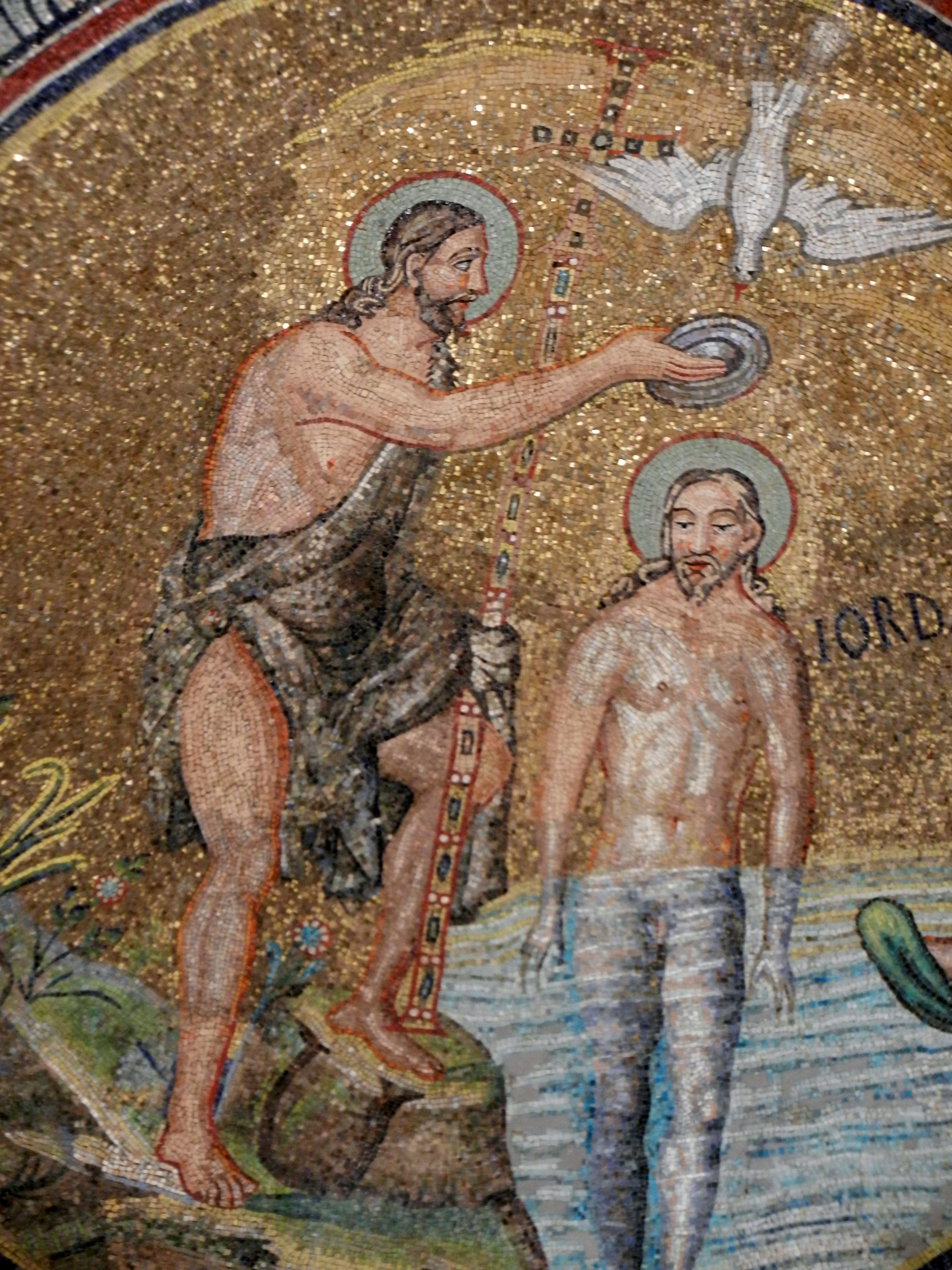
Christ baptizes John the Baptist, Ravenna

Christ baptizes John the Baptist, Ravenna


Mosaic curtains...originally the Saints were in the archways but then artfully removed with curtains

Mosaic curtains…originally the Saints were in the archways but then artfully removed with curtains


DSCN4324DSCN4322
We bought a combo ticket (about 15 euros adult) which gave us admission to the main buildings in Ravenna. The big draw is the1500 year old mosaics, many in pristine condition since Ravenna was practically abandoned when the seat of power left. The walls are covered with the brilliant little tiles of precious stones and gold. The walking tour for the 5 buildings took us about 2 hours which included reading about the mosaics in Rick Steves’ handy guidebook.
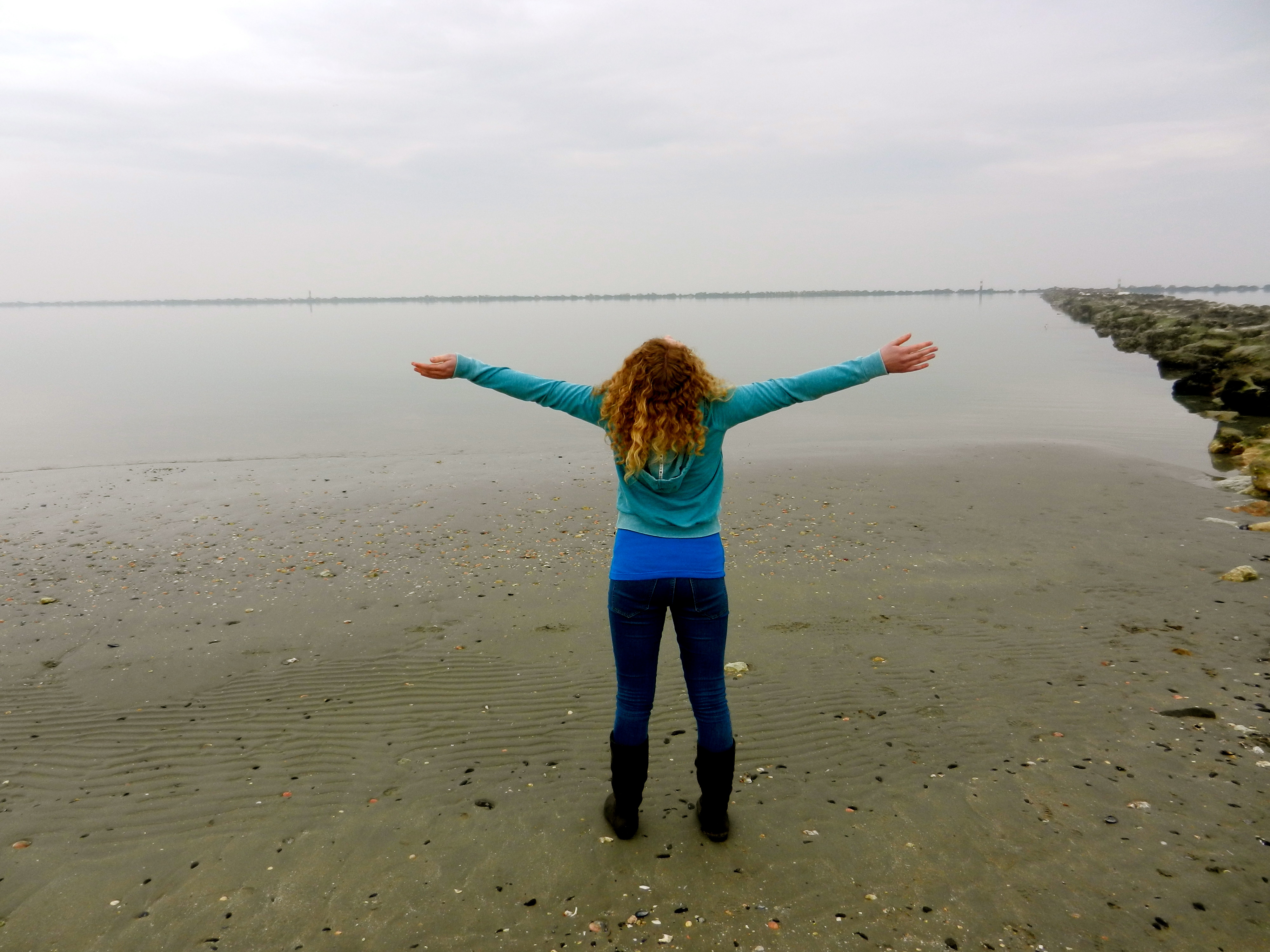
After our trip to the city, we drove over to the Adriatic Sea to give the kids an chance to look at the water from this side of the world. It was a cool and blustery day but the salt air and seagulls satisfied our need for a dose of the ocean.
I"m home!

I”m home!

Carnivale

Rietkerks in Venice

Rietkerks in Venice

I’m beginning to understand the European way of life. They work hard in the summer tilling the fields and bringing in the harvest. Then, the long winter sets in and the human spirit craves a little diversion. Many of the small towns and villages follow the Church Year in their festivities. First comes the Christmas season which is filled with lively Christmas markets throughout Germany. This is followed quickly by New Years Celebrations featuring fireworks and festive spirits.
For the month of February, just before the season of Lent, many villages host “fasching” parades or Carnivale. These festivals can be simple such as the one in our town of Lupburg which included a quick parade down main street with people in costumes, similar to Halloween without the “scary”, and balloons adorning the street lights. For others, the celebration still involves costumes but they’re taken to the next level of creativity. Perhaps no other city in Europe celebrates Carnivale quite like Venice, Italy where grown men and women spend a lot of money and time in preparing for the festivities. Tim and I took the kids down south to visit our friends Eddie and Jenn Cook and their son Edward. Then, off to Venice we went to experience the spectacle. It was a bit strange to see the extent some people go to in designing the “perfect” costume, to include walking and talking and posing for passersby. We focused our visit on St Mark’s Square where the bulk of people playing dress up hang out in the bright sunshine admiring each other’s costumes. As we took the water taxi down the Grand Canal to St Marks, we spotted costumed revelers on the balconies of hotels as we sailed by. They waved to the boats and thoroughly enjoyed entertaining us. The atmosphere during the day was festive; people were happy and carefree but no one was doing anything questionable (except for the fact that grown men were dressed as women). It was all relatively tame and not at all like Mardi Gras in New Orleans. We weren’t quite sure what happens in Venice after dark but we didn’t want to take a chance with the kids. We made it back to the ferry before nightfall and had a smooth and uneventful ride back to the Cook’s home in Vicenza.

German Christmas Markets

Starting just after American Thanksgiving, German villages and large cities play host to Christkindlmarkts…the traditional seasonal markets featuring handcrafted goods, fresh baked goods and  live music. We were able to visit several of the top markets this year: Dresden–the oldest market in Germany; Stuttgart–the largest market in Germany; Esslingen–a medieval market featuring pirates, wenches and lots of street performers; Nuremberg–voted “the best” market; and Regensberg–a collection of 4 markets in one city.  Each has their specialty but all have one draw in common: gluhwein, a hot mulled wine served in commemorative market coffee mugs.  You pay a deposit for the cup allowing visitors to choose which cups they want to collect. (most cost between 2-3 euro)  A spin on the gluhwein drink is “feuerzangenbowle” literally translated “fire tongs punch”.  This drink is mulled wine with a sugar cube doused in alcohol and then lit on fire.  Not only is it tasty on a cold winter’s night but adding the flame on top makes it irresistible.